Preparing Your Pet for Cold Weather: Winter Care Tips
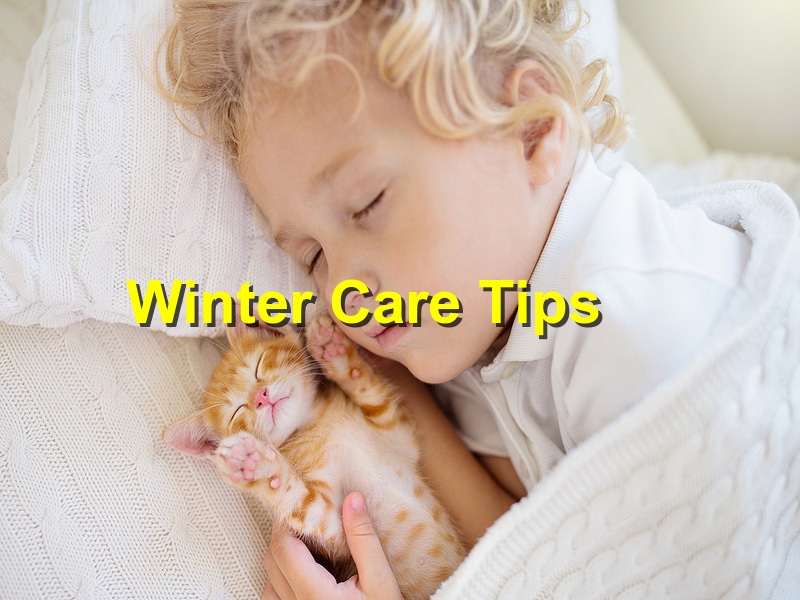
As temperatures drop and winter sets in, it’s important to remember that our furry companions feel the chill too. Cold weather can be tough on pets—especially those who spend time outdoors or have short fur. Preparing your pet for winter is about more than just comfort; it’s about protecting them from cold-related health risks like frostbite, dry skin, and hypothermia.
Here’s how to keep your pets safe, warm, and happy all season long.
1. Limit Outdoor Time
Even if your pet loves the snow, prolonged exposure to freezing temperatures can be dangerous. Short walks are fine, but avoid leaving pets outside for long periods—especially in windy or icy conditions.
Tips:
- Keep walks brief and monitor your pet for signs of shivering.
- Choose sunny times of day for outdoor activity.
- Wipe paws after walks to remove ice, salt, and chemicals.
If your pet must be outside, provide a dry, insulated shelter away from the wind, and ensure they have unfrozen water available.
2. Dress for Warmth
Smaller breeds, short-haired dogs, and senior pets often need extra protection from the cold. A pet sweater or jacket can make a big difference, especially during early morning or evening walks.
Choose wisely:
- Pick clothing that fits snugly but allows easy movement.
- Avoid materials that get wet easily.
- Always remove wet or damp clothing to prevent chills.
3. Protect Paws from Ice and Salt
Winter streets are often treated with salt and de-icing chemicals that can irritate your pet’s paws. Ice and snow buildup can also cause cracks and discomfort.
Protect their feet by:
- Using pet-safe paw balm before and after walks.
- Wiping paws with a warm cloth when returning indoors.
- Trying pet booties for extra protection.
Check paws regularly for redness or injuries and trim long fur between paw pads to prevent ice clumping.
4. Maintain a Cozy Indoor Environment
Cold drafts and low humidity can affect pets just like humans. Make sure your pet has a warm, comfortable place to sleep that’s away from cold floors or windows.
Keep them cozy:
- Provide soft bedding or blankets.
- Avoid using space heaters near pets.
- Use a humidifier to prevent dry skin and irritation.
Pets often seek warmth near heaters or fireplaces, so supervise them closely to prevent burns.
5. Adjust Diet and Hydration
Pets may need more calories in winter to maintain body heat—especially active or outdoor pets. However, less active pets might gain weight if their diet isn’t adjusted.
Tips:
- Consult your vet about ideal winter nutrition.
- Ensure pets always have access to clean, unfrozen water.
- Don’t rely on snow for hydration—it can lower body temperature.
6. Keep Up with Regular Grooming
It might seem like a thick coat will naturally protect your pet, but matted fur actually traps cold moisture and reduces insulation.
Winter grooming tips:
- Brush regularly to remove tangles and distribute oils.
- Bathe less often to prevent dry skin, and use moisturizing shampoos.
- Make sure your pet is completely dry before going outdoors.
7. Be Aware of Hidden Hazards
Winter weather brings hidden dangers that can harm your pet. Antifreeze, for example, is highly toxic but has a sweet taste that attracts animals.
Be cautious:
- Store antifreeze and chemicals safely out of reach.
- Clean spills immediately.
- Keep an eye out for signs of poisoning like drooling, vomiting, or lethargy.
If you suspect your pet has ingested something harmful, contact your vet or the ASPCA Animal Poison Control Center (1-888-426-4435) right away.
8. Don’t Skip Exercise and Mental Stimulation
Cold weather can limit outdoor playtime, but pets still need exercise to stay healthy and happy.
Try indoor activities:
- Interactive toys and puzzle feeders.
- Indoor fetch or hide-and-seek games.
- Short training sessions to keep their mind sharp.
Keeping them active helps prevent boredom and weight gain during the winter months.
Conclusion
Winter can be a cozy, joyful season for you and your pets—with the right preparation. By keeping them warm, watching for hazards, and maintaining healthy routines, you’ll ensure your furry family members stay comfortable and safe until spring.
A little extra care goes a long way in helping your pets thrive—even when the temperatures drop.
References: Petmate, Dakota News
https://braseltonervet.com/?p=4688


Comments
Post a Comment