New Year ER Pet Safety: Toxins and Trauma
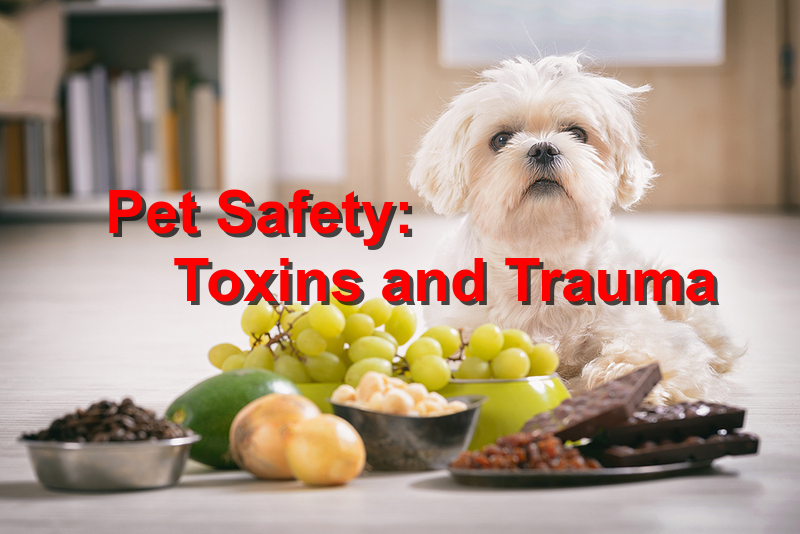
Why New Year celebrations are risky for pets
New Year’s celebrations around Braselton are full of music, guests, food, and late-night
fun. For dogs and cats, that same excitement can quickly turn into a trip to the
emergency room. At Braselton ER Veterinary, we routinely see holiday-related
emergencies from toxin ingestion, anxiety, and accidental injuries in the final
days of December and first week of January.
Many pets are stressed by changes in routine, visitors, and loud noises. That
stress may drive them to bolt through doors, chew inappropriate objects, or raid
counters and trash cans. Alcohol, cannabis products, fatty leftovers, and
skewers or toothpicks are just a few of the common offenders that can seriously
harm your pet.
Common New Year toxins and injuries
Alcohol, cannabis, and party foods
Even small amounts of alcoholic beverages can cause vomiting, unsteadiness,
low blood sugar, and even coma in pets. Edible cannabis products and vape oils
are particularly dangerous because they are highly concentrated and often
combined with chocolate or xylitol, a sugar substitute that is toxic to dogs.
Rich, fatty party foods like wings, cheese dips, and leftover roast can trigger
pancreatitis, a painful and sometimes life-threatening inflammation of the
pancreas. Skewers, bones, and toothpicks can pierce or obstruct the
gastrointestinal tract, requiring urgent surgery.
Noise, crowds, and trauma
Loud music, fireworks, and cheering can terrify noise-sensitive dogs and cats.
Frightened pets may jump fences, break through windows or doors, or slip out as
guests come and go. This can lead to bite wounds, vehicle trauma, or getting
lost far from home. Anxiety can also cause destructive behavior, self-injury,
and stress-related medical issues.
When to visit Braselton ER Veterinary
Seek emergency care immediately if your pet has ingested a known toxin; is
vomiting repeatedly; seems disoriented or difficult to rouse; has pale gums;
is struggling to breathe; or has been hit by a car, fallen from a height, or
been involved in a fight. Trust your instincts—if your pet “just isn’t right”
and it’s after hours, our emergency team is here to help.
Before the party starts, secure trash cans, keep alcoholic and cannabis
products locked away, and create a quiet, safe room where your pet can relax.
Ensure their microchip and ID tags are up to date in case they slip out.
A little planning goes a long way toward keeping your celebration joyful and
out of the ER.
References
- ASPCA – Pet Care and Poison Control
- American Veterinary Medical Association – Pet Health
- PetMD – Holiday Pet Safety and Toxins
https://braseltonervet.com/new-year-er-pet-safety-toxins-and-trauma/


Comments
Post a Comment